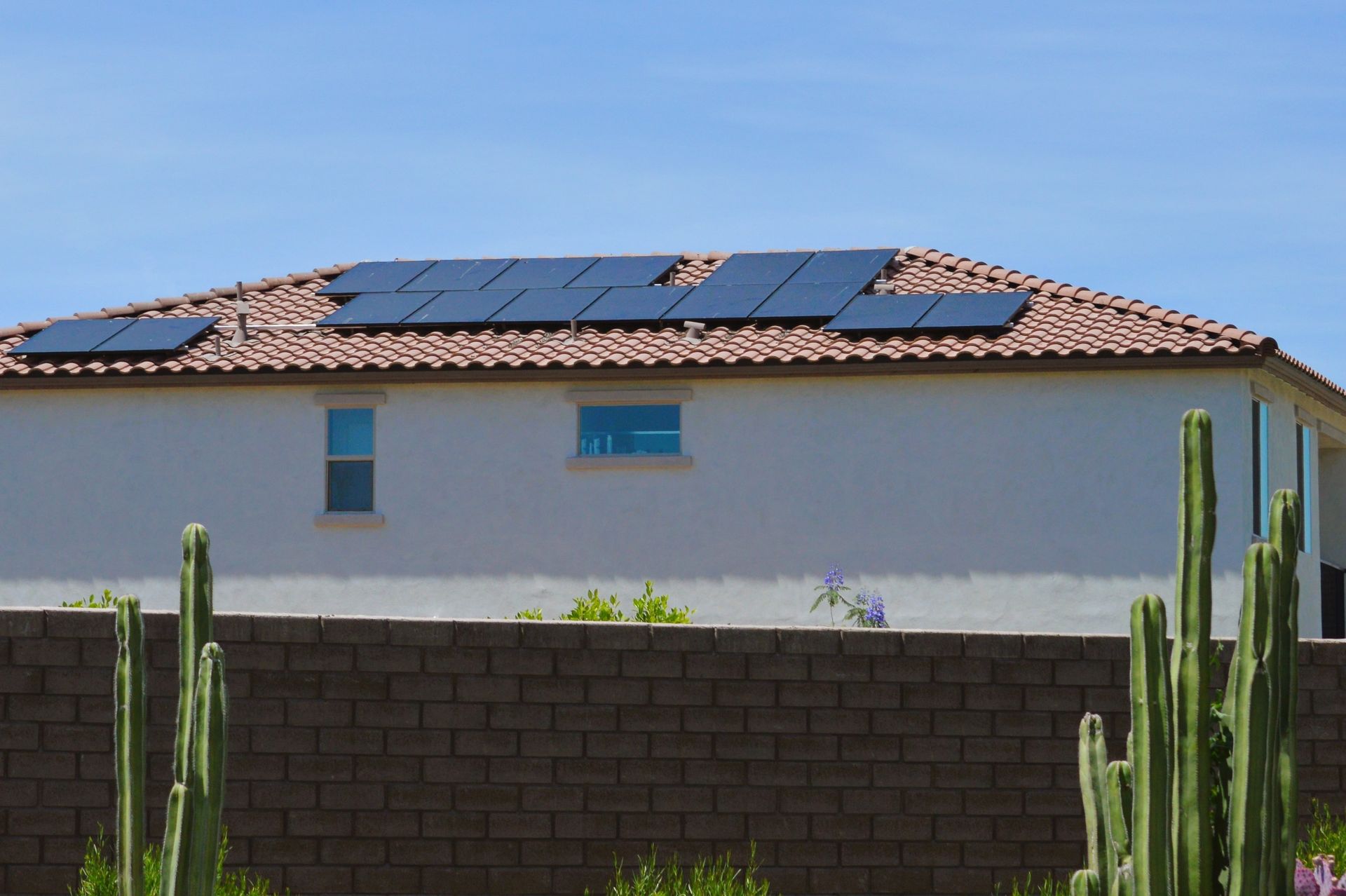
Do Solar Panels Survive Severe Upstate Storms in Rock Hill, SC?
Solar panels in Rock Hill, SC are designed to withstand severe weather including high winds and hail, though extreme storms can cause damage that requires emergency repair services to restore energy production.
What Wind Speeds Can Solar Panels Handle?
Properly installed solar panels are rated to withstand sustained winds of 90-100 mph and higher gusts when mounted according to current building codes.
Solar mounting systems use lag bolts that penetrate deep into roof rafters, creating connections far stronger than typical roofing materials alone. Engineers design these systems with significant safety margins to handle wind uplift forces that try to pull panels away from the roof.
Rock Hill occasionally experiences severe thunderstorms with straight-line winds exceeding 60 mph, and rare tornado events can bring even more extreme conditions. While your panels should survive typical storms without issue, knowing that professional repair services exist provides peace of mind during severe weather warnings.
How Does Hail Impact Solar Panel Durability?
Solar panels undergo testing with simulated hail impact, but unusually large hail can crack tempered glass surfaces despite their protective design.
Manufacturers test panels by firing ice balls at high velocity to simulate hail impact. Most panels are rated to withstand hailstones up to one inch in diameter, with many surviving larger impacts depending on angle and ice density.
Rock Hill's severe thunderstorms occasionally produce hail larger than golf balls. While your panels may survive even these events due to their tempered glass construction, checking for cracks after any major hail storm helps catch damage early. Small cracks can allow moisture to penetrate and cause electrical problems if not addressed through professional solar panel repair services in Rock Hill.
What Happens to Solar Production During Storms?
Solar panels stop producing energy when storm clouds block sunlight, but resume normal operation once skies clear if no physical damage occurred.
During active storms, heavy cloud cover reduces available sunlight to near zero, so production drops accordingly. This is normal behavior and doesn't indicate any problem with your system. Once the storm passes and sun returns, panels should immediately resume generating electricity.
If production doesn't return after storms pass, damage to panels, wiring, or inverters may have occurred. Your monitoring system will show the problem immediately, allowing you to request emergency repairs before small issues escalate. Fast response protects your equipment and minimizes lost energy production.
Can Lightning Damage Solar Systems?
Direct lightning strikes are rare but can damage inverters and electrical components even when panels themselves remain intact.
Solar systems include grounding connections designed to protect against lightning by directing current safely into the earth. However, nearby lightning strikes can induce electrical surges through wiring that damage sensitive electronics like inverters and monitoring equipment.
If lightning strikes very close to your property during a storm, checking system operation afterward helps identify any electrical damage. Inverters may display error codes or fail to restart if internal components were damaged. Emergency repair services can diagnose and replace damaged equipment, restoring your system to full operation quickly.
Should You Disconnect Solar Panels During Severe Weather?
Modern solar systems don't require disconnection during storms unless specifically instructed by emergency personnel due to flooding or fire risks.
Your solar system is designed to operate safely in all weather conditions. Disconnecting panels doesn't protect them from physical damage like hail or wind, and it prevents any production during breaks in cloud cover between storm cells.
The only situations requiring shutdown are when firefighters need to access your roof or when flood waters threaten electrical components. In these rare cases, emergency responders will provide specific instructions. Otherwise, your system should remain operational and ready to resume production as soon as weather permits.
How Does Rock Hill's Position Between Charlotte and Columbia Affect Weather Patterns?
Rock Hill's location in the Carolina Piedmont means it experiences storm systems moving up from the Gulf Coast and down from the Ohio Valley, creating diverse severe weather risks.
The city sits between two major metro areas and experiences weather from multiple directions. Spring brings severe thunderstorms and occasional tornadoes as warm Gulf air meets cooler systems from the west. Summer features frequent afternoon thunderstorms with localized heavy rain, wind, and hail.
Fall tropical systems occasionally push inland, bringing sustained rain and gusty winds. Winter ice storms are less common than farther north but still occur every few years. This variety means Rock Hill homeowners benefit from regular solar system performance analysis to ensure equipment stays secure and functional through all seasonal challenges.
Understanding how your solar panels respond to severe weather helps you protect your investment and react quickly when damage occurs. Prime Solar Services offers emergency repair services for Rock Hill homeowners facing storm damage, restoring your system's energy production and safety. Schedule an inspection after severe weather or request emergency assistance when you need immediate support.