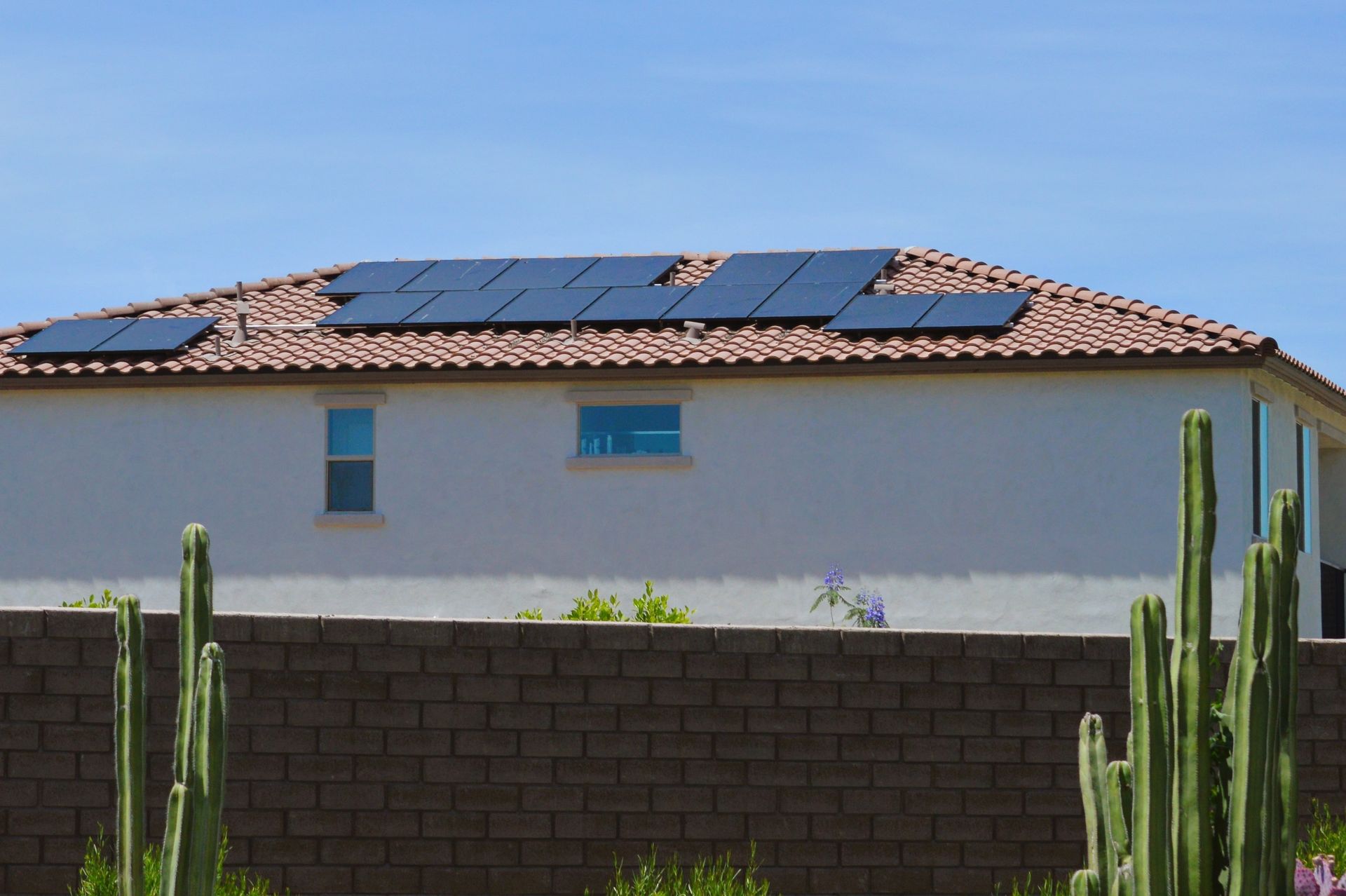
Maximizing Solar Efficiency During Columbia's Humid Summer Months
Columbia, SC summer humidity and afternoon thunderstorms create conditions that soil solar panels quickly, making regular cleaning essential to maintain the 5-15% efficiency gains that translate directly to energy savings.
How Does Humidity Affect Solar Panel Performance?
Humidity itself doesn't reduce solar panel output, but the combination of moisture and airborne particles creates films that block sunlight and lower efficiency.
Solar panels generate electricity from sunlight, not heat, so humid air doesn't directly impact their function. However, Columbia's summer humidity combines with dust, pollen residue, and pollution to create a sticky film on panel surfaces that resists evaporation.
This film accumulates gradually, especially on panels that don't receive regular rainfall or those with shallow angles where water doesn't sheet off naturally. Over weeks and months, the buildup blocks an increasing percentage of incoming light. A panel that looks only slightly hazy to your eye might be losing 10% or more of its potential output due to this accumulated layer.
Which Contaminants Build Up Fastest in Summer?
Summer dust from construction, vehicle exhaust, and agricultural activities combines with organic particles to create the fastest-accumulating panel soiling during Columbia's warmest months.
Columbia's position in the Midlands means it experiences agricultural dust from surrounding rural areas mixing with urban pollution from I-20, I-26, and city traffic. Construction activity peaks in summer, adding concrete dust and other fine particles to the air.
When afternoon thunderstorms wet these particles but don't provide enough sustained rainfall to wash them away completely, the result is a baked-on residue that requires professional cleaning to remove. Organic materials like tree sap and bird droppings also become more problematic in summer when heat hardens them onto glass surfaces.
Do Afternoon Thunderstorms Clean Panels Effectively?
Brief afternoon storms may rinse loose dust but often leave behind streaks and spots that reduce efficiency until professional cleaning removes all residue.
Columbia's typical summer pattern includes intense but short thunderstorms that drop heavy rain for 15-30 minutes before moving on. While this can wash away loose surface dust, it rarely provides the sustained gentle rainfall needed to completely clean solar panels.
Heavy downpours can actually make soiling worse by splashing mud onto panels from gutters or roofs. As rainwater evaporates in summer heat, it leaves behind mineral deposits that create additional light-blocking spots. Professional solar system cleaning in Columbia uses deionized water that doesn't leave these mineral deposits, restoring full transparency and efficiency.
What's the Ideal Summer Cleaning Schedule?
Most Columbia homeowners benefit from professional cleaning in early June after spring pollen clears and again in late August before fall production season begins.
Starting summer with clean panels ensures you capture maximum energy during June through August when days are longest and sun angles are highest. Your panels will work hardest during these months, making efficiency losses from soiling especially costly in terms of lost savings.
A second cleaning in late August prepares your system for fall when cooler temperatures actually improve panel efficiency slightly. Clean panels entering autumn capture more of the available sunlight as days begin to shorten. This two-cleaning approach balances cost with benefit for most residential systems in Columbia's climate.
Can Heat Damage Solar Panels?
Solar panels are designed to operate safely at temperatures well above Columbia's summer highs, though extreme heat does cause a small temporary decrease in electrical efficiency.
Your panels are rated to function at temperatures up to 185°F, far hotter than the 140-150°F surface temperatures they might reach on the hottest Columbia summer days. The tempered glass, aluminum frames, and electrical components are all designed for continuous outdoor exposure in extreme conditions.
Panel efficiency does decrease slightly as temperature rises, typically losing 0.3-0.5% of output for every degree above 77°F. This means on a 95°F day, you might see 5-8% lower output than the same sunlight conditions on a 70°F day. This is normal and temporary; efficiency returns as temperatures cool. Keeping panels clean ensures you capture maximum available energy despite this minor temperature effect.
How Does Columbia's Position in the Midlands Affect Solar Conditions?
Columbia's location away from coastal and mountain influences creates hot, humid summers with intense afternoon sun that makes cleanliness critical for peak solar performance.
The city sits in South Carolina's Midlands region, experiencing continental climate patterns with very warm summers and no sea breeze or mountain elevation to moderate temperatures. This creates ideal conditions for solar energy production in terms of available sunlight, with June through August providing 13-14 hours of daylight at peak season.
However, the same conditions that provide abundant sunlight also create heavy soiling from agricultural dust, urban pollution, and biological materials. Homes near Lake Murray or the Congaree River may experience slightly higher humidity and organic growth on panels. Understanding these local factors helps you maintain optimal system performance through regular inspection and cleaning matched to Columbia's unique summer conditions.
Keeping your solar panels clean during Columbia's demanding summer months ensures you capture every available kilowatt-hour when production potential is at its annual peak. Prime Solar Services provides professional cleaning services that remove humidity-related buildup and restore full efficiency for Columbia homeowners. See the difference clean panels make in your summer energy production by scheduling your service today.