Most Solar Problems Show Up as Gradual Performance Loss
What Generic Monitoring Misses
Basic solar monitoring apps show daily production totals, but they don't reveal when individual panels start underperforming or when loose connections create intermittent voltage drops that the inverter compensates for automatically. By the time your monthly output drops enough to notice, you've already lost weeks of production to problems that could have been caught early with system-wide inspection.
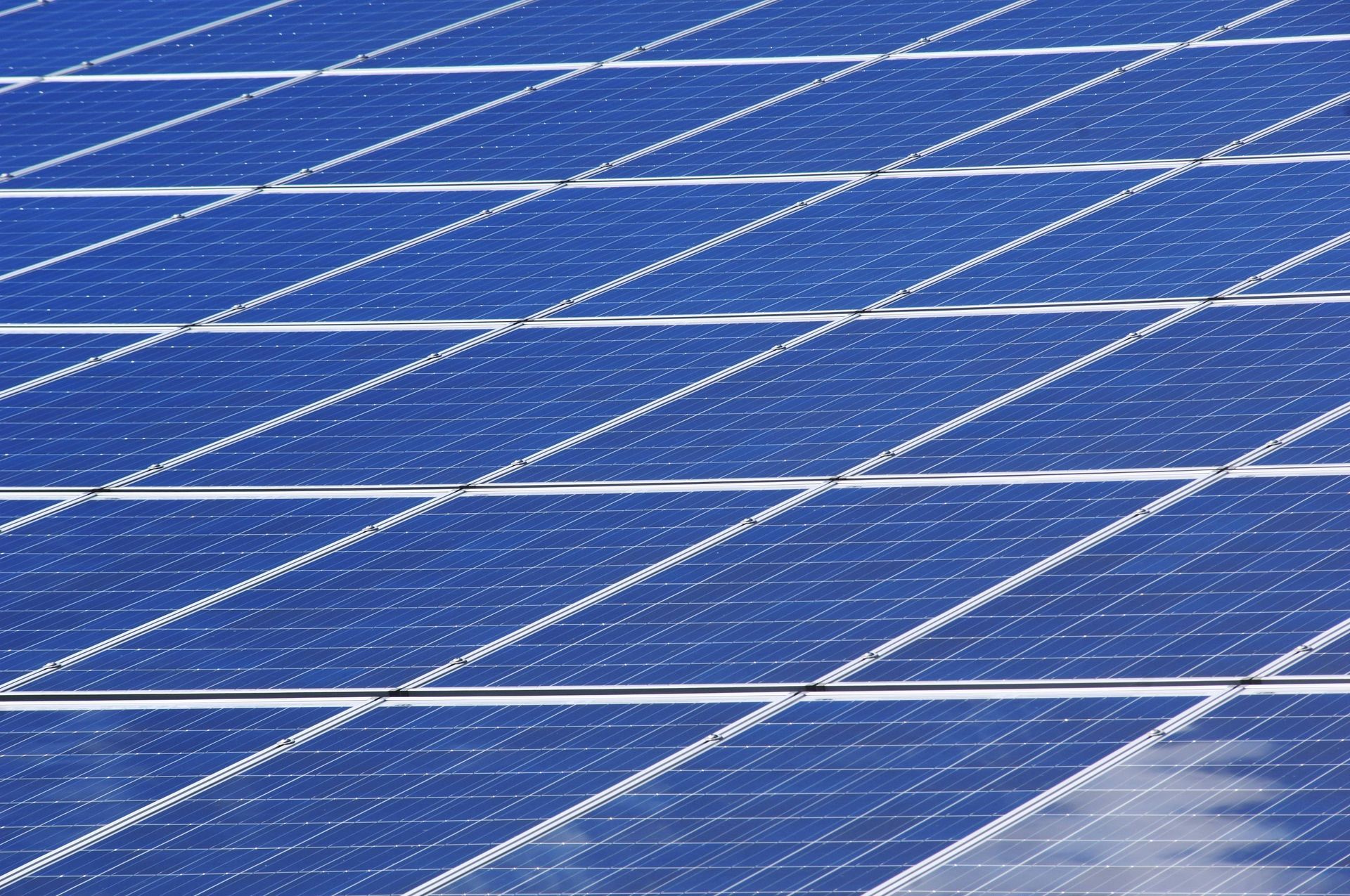
Prime solar services llc conducts solar troubleshooting and maintenance that starts with string-level voltage testing under load, which identifies panels producing lower current than their neighbors in the same string. A single underperforming panel drags down the entire string because current flows at the rate of the weakest cell, meaning one shaded or failing panel costs you fifteen to twenty percent of that string's total output.
Finding Problems Before They Compound
Diagnostics begin with inverter fault code analysis, because most system failures leave digital breadcrumbs in the inverter's event log. Ground fault errors that clear themselves still indicate insulation breakdown somewhere in the DC wiring, while over-temperature warnings point to inadequate ventilation around the inverter enclosure or failing cooling fans.
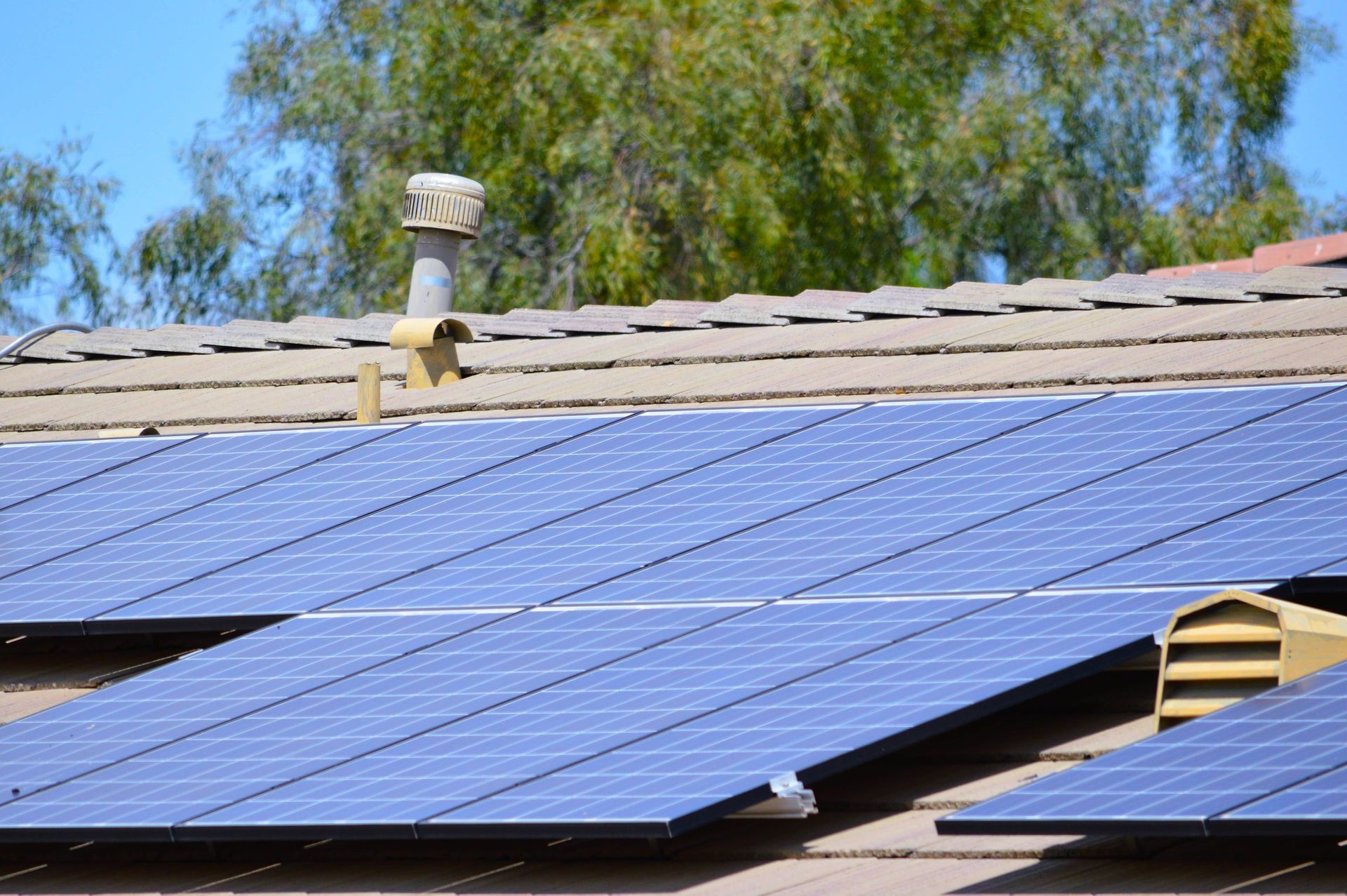
Physical inspection covers every connection point from the panels down to the main service panel, looking for corrosion on MC4 connectors, loose torque on terminal blocks, and UV damage to conduit fittings exposed to direct sun near the roofline. In Duncan, afternoon storms create voltage transients on the utility grid that can damage inverter input stages over time, which shows up as erratic production dips that don't correlate with cloud cover or shading patterns you'd expect along streets near Highway 290.
Get comprehensive solar troubleshooting in Duncan that identifies exactly what's limiting your system's output.
What Inspections Should Verify
Effective solar maintenance finds developing issues before they cause complete system shutdown or permanent component damage. Thorough diagnostics address these critical evaluation points:
- String voltage measurements that reveal mismatched panel output or failing bypass diodes within individual modules
- Inverter performance data showing conversion efficiency and identifying when internal components start degrading
- Connection torque verification at combiner boxes and junction points where thermal cycling loosens terminals over time
- Ground fault isolation testing to locate insulation breakdown in specific wire runs before moisture causes short circuits
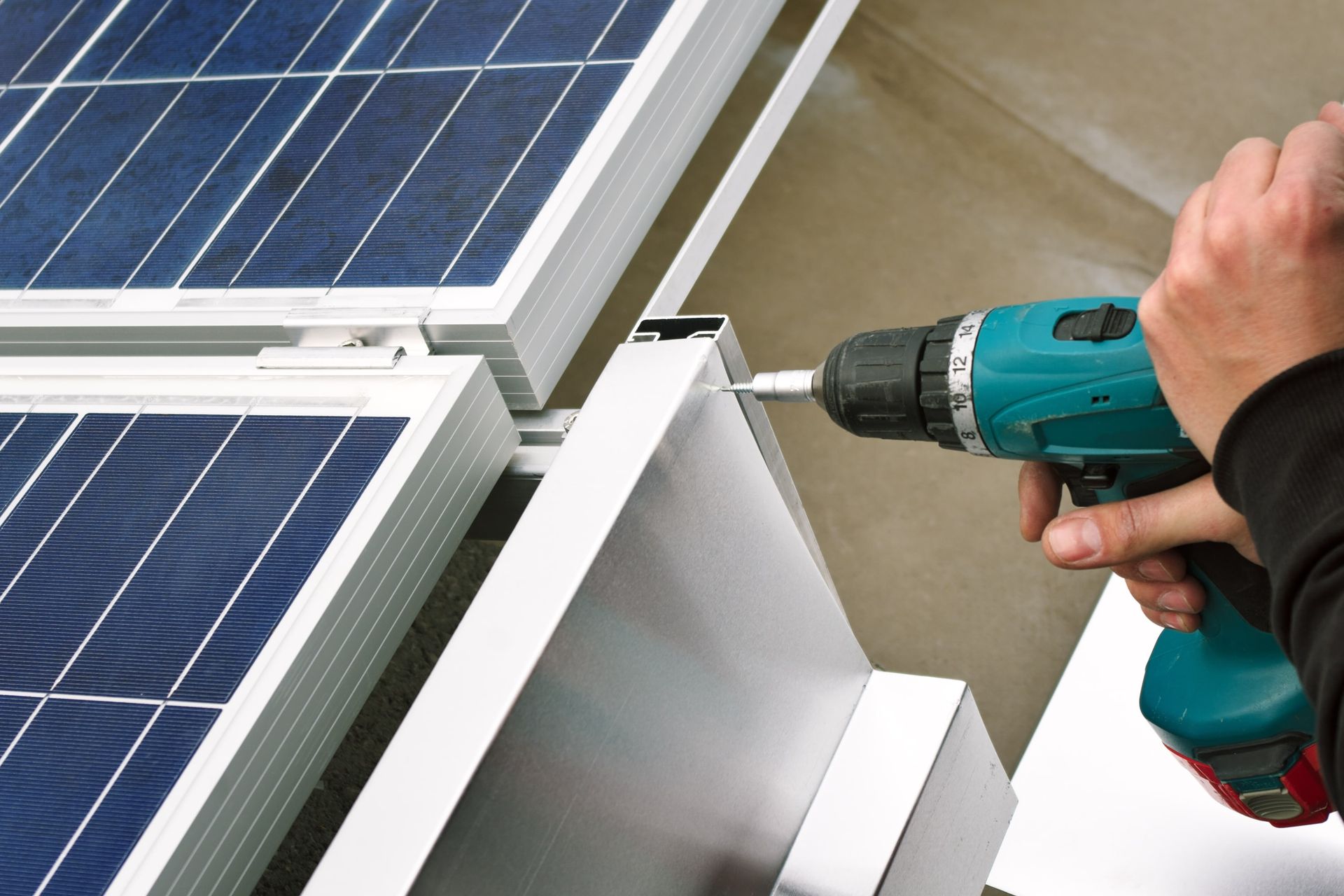
- Mounting hardware inspection for South Carolina wind and weather damage that creates stress points leading to panel micro-cracks
Catching inverter faults early means replacing a cooling fan instead of a full inverter assembly, while identifying loose connections prevents arcing that damages expensive combiner box components. Contact us for solar maintenance and diagnostics in Duncan that keep your system operating at designed capacity year after year.