Greer Solar Panel Cleaning Restores Light Absorption Lost to Pollen and Dust
How Pollen Season Affects Solar Output in Upstate South Carolina
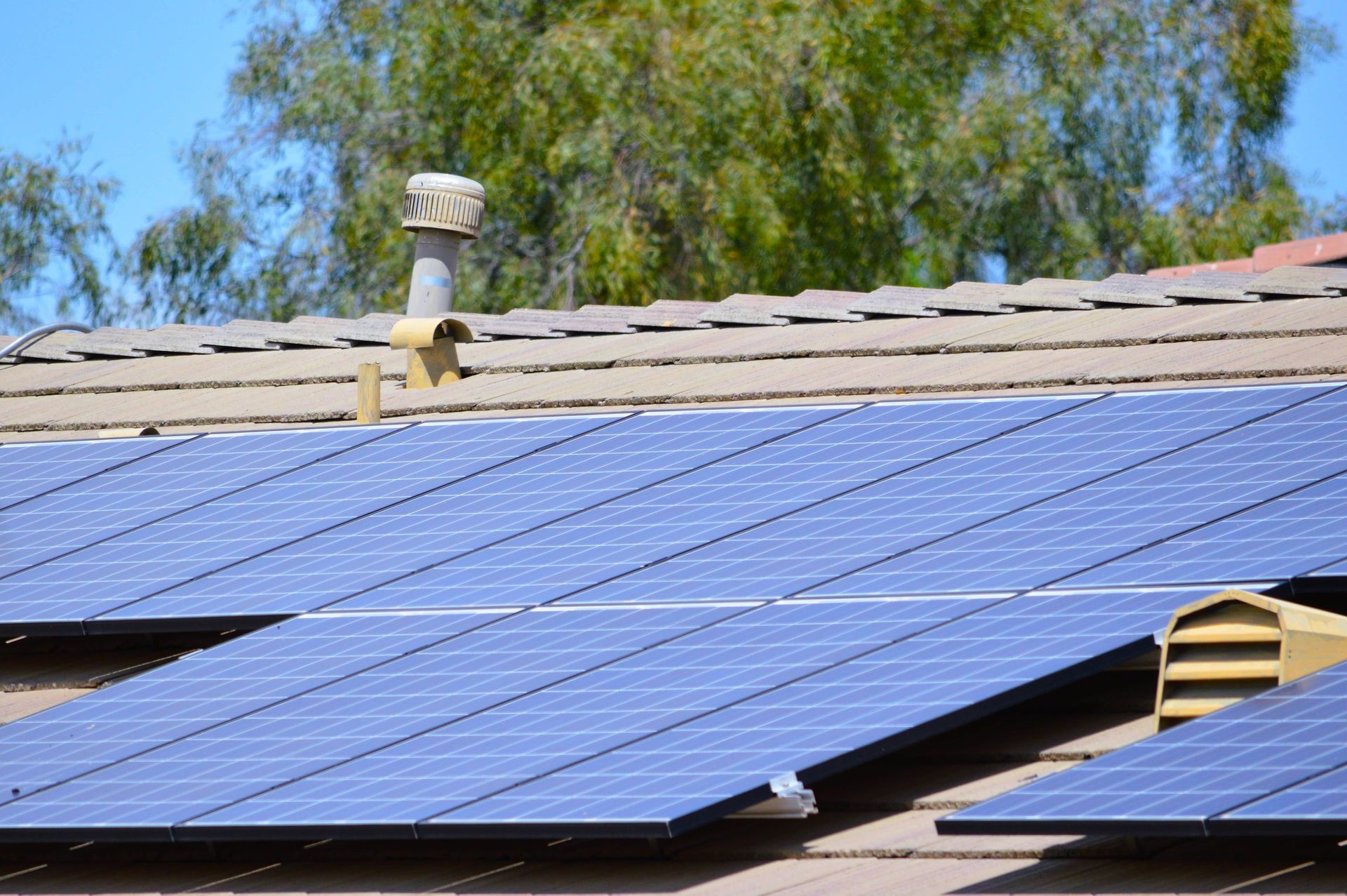
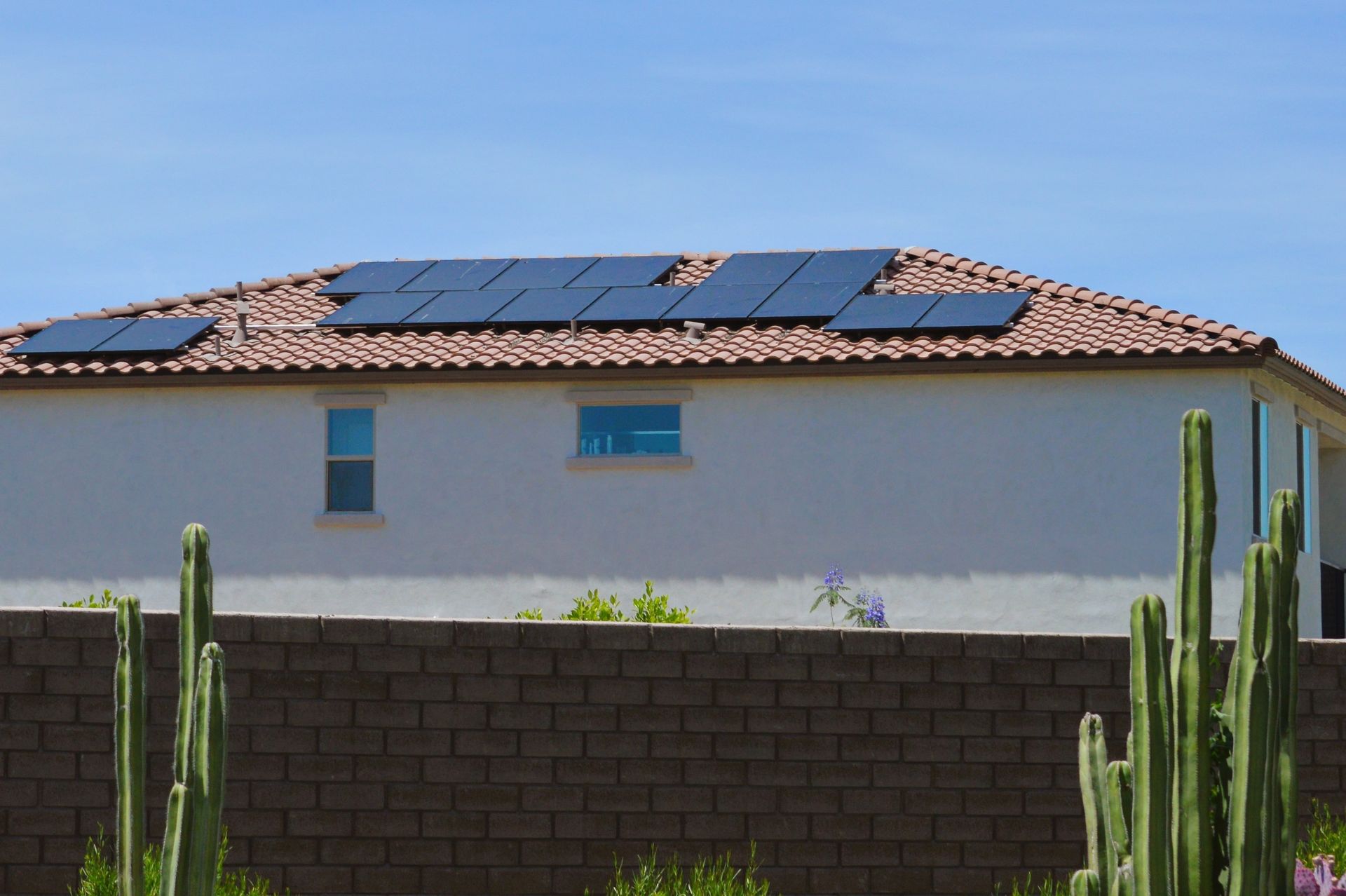
When pollen counts spike across Greer during spring months, solar panels lose efficiency faster than most homeowners expect. Upstate South Carolina's dense tree cover—oak, pine, and poplar—creates a layer of yellow-green film that blocks incoming light and reduces energy production by 15 to 25 percent within weeks. The problem compounds during dry stretches when dust from nearby I-85 and rural roads settles onto panels, creating an opaque barrier that rain alone can't wash away.
Professional solar panel cleaning removes this accumulated layer through low-pressure rinsing and deionized water application, which prevents mineral streaking that tap water leaves behind. After cleaning, panels return to their rated capacity—most homeowners notice an immediate jump in daily kilowatt-hour production, often matching the output levels recorded the month after installation.
What Builds Up on Panels Between Greer's Spring Pollination and Summer Storms
Pollen arrives first, typically mid-March through May, coating glass surfaces with a sticky residue that traps subsequent debris. Dust follows during dry periods, adhering to the pollen base and forming a film that blocks sunlight even when viewed from ground level. Bird droppings concentrate near roof edges where panels meet flashing, creating shadowed patches that reduce output across entire strings due to how series circuits operate.
Cleaning schedules in Greer usually align with post-pollen and post-harvest windows—late May and October—when accumulation peaks. The process involves safety-rated roof access, low-pressure spray application, and squeegee finishing to eliminate streaks. Panels dry quickly under South Carolina sun, and monitoring apps typically show restored output within the same day. Prime Solar Services LLC uses deionized water systems that prevent the white mineral deposits common with well water, keeping glass clear between scheduled cleanings.
If your solar panels in Greer look hazy from ground level or your monitoring app shows declining output despite clear skies, professional cleaning restores full light-absorption capacity and gets your system back to rated performance.
Common Cleaning Challenges in Greer's Climate
Several factors make solar panel cleaning in Greer more involved than a simple hose rinse. Understanding what contributes to buildup helps homeowners recognize when professional service makes sense:
- Pollen adhesion intensifies during humid mornings when dew helps particles bond to glass
- Red clay dust from construction sites along Highway 101 creates rust-colored staining that requires agitation
- Pine sap droplets harden under summer heat and resist standard water spray
- Shallow roof pitches common in Greer neighborhoods reduce natural rain runoff
- Morning shade from mature hardwoods delays drying and allows organic growth on north-facing arrays
Cleaning restores panels to the transparent state needed for maximum photon capture, directly translating to higher daily energy yield and lower grid dependence. Reach out to schedule solar panel cleaning in Greer and recover the efficiency pollen season took from your system.