Boiling Springs Homeowner's Guide to Solar Panel Installation
For Boiling Springs homeowners, the biggest surprise in going solar is usually this: the panels go on the roof in one to three days, but the full project — from site assessment to a live, grid-connected system — typically takes six to sixteen weeks. Most of that time is spent on permitting and utility approvals, not on the physical work. Knowing this upfront helps you plan without frustration.
This guide walks you through every stage of the process, what the county and utility require, what install day looks like, and what to do once your panels are producing power.
How Long Does Solar Installation Take in Boiling Springs?
The physical installation is fast — usually one to three days — but permits, inspections, and Duke Energy approval add several weeks to the total timeline before your system goes live.
Here is a realistic breakdown of each phase: site assessment and system design takes one to two weeks; Spartanburg County permitting and the Duke Energy interconnection application take two to six weeks; equipment procurement runs one to three weeks and often overlaps with permitting; installation itself is one to three days; the county inspection adds one to two weeks; and Duke Energy's Permission to Operate (PTO) — the formal approval to run your system on the grid — takes one to four weeks after inspection.
The permitting and PTO stages are where projects slow down. A locally based installer who already knows Spartanburg County's submittal format and Duke's interconnection paperwork can avoid the back-and-forth that adds weeks for out-of-area contractors. You can learn more about what the full process involves through our solar panel installation services page.
Do I Need Permits for Solar in Spartanburg County?
Yes — residential solar installations in Spartanburg County require both a building permit and an electrical permit, plus a separate Duke Energy interconnection application before the system can operate on the grid.
Your licensed contractor pulls these permits on your behalf — you do not visit the county office yourself. Spartanburg County Building and Codes handles the review, and a county inspector must sign off before the system is energized. This inspection verifies code compliance and installation quality.
Separately, Duke Energy Carolinas — the primary utility serving Boiling Springs — requires its own interconnection application and issues a PTO before your system can legally feed power back to the grid. Net metering, which earns you bill credits for excess energy produced, only begins after PTO is granted. These are two parallel processes with different timelines, and both must be complete before your panels do anything useful.
What Happens on Install Day?
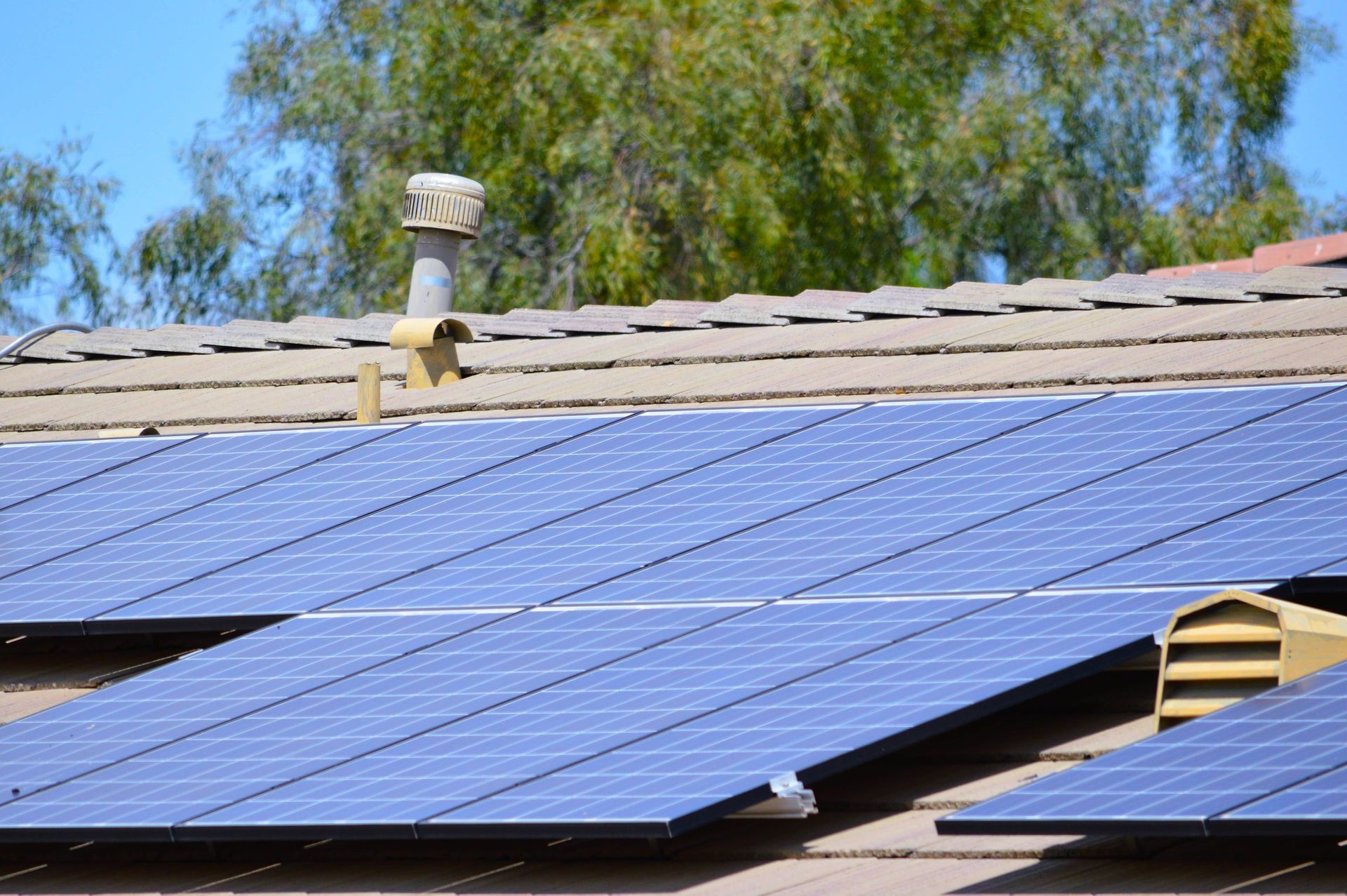
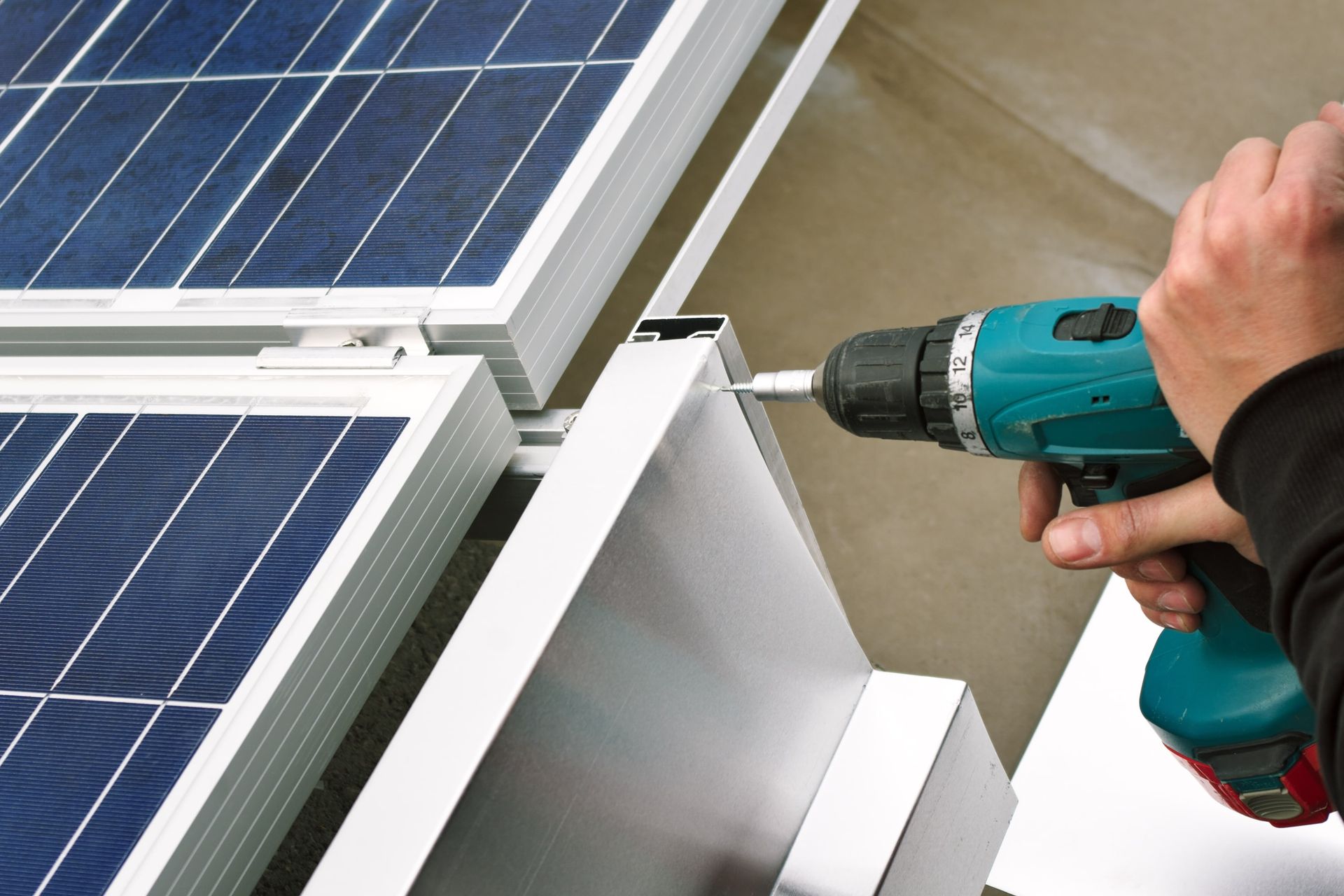
Install day is straightforward for most homeowners. The crew arrives early, sets up a staging area in your driveway or yard, and starts with the roof — mounting rails are secured first, then panels are attached and wired. The inverter (the device that converts solar DC power to usable AC power) is typically installed in your garage or utility room.
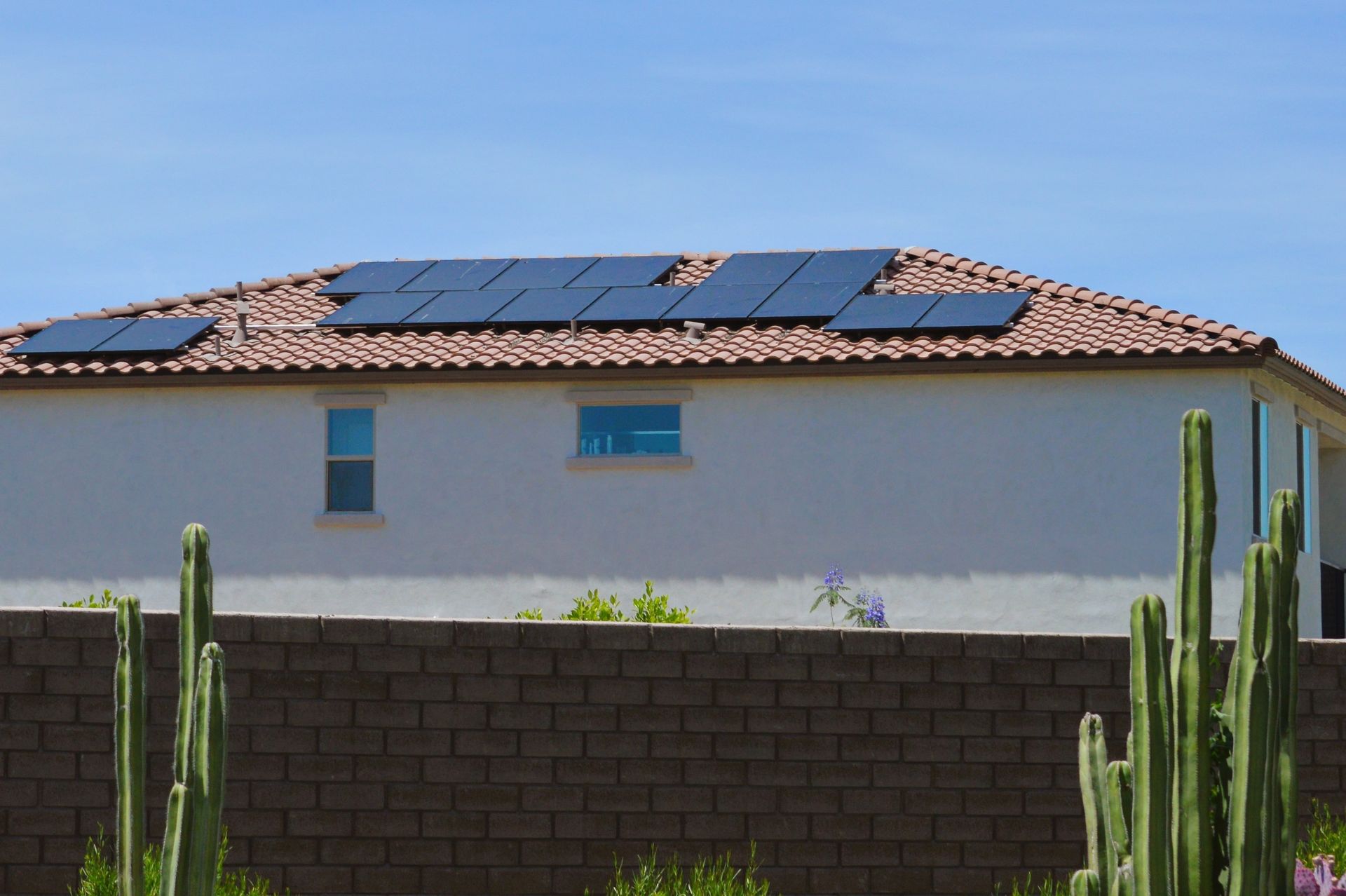
You do not need to be home the entire day, but a walkthrough at the start and end is helpful. The crew will need access to your garage or utility room for inverter work, and some interior electrical connections at the main panel are standard. Most asphalt shingle roofs in Boiling Springs use standard mounting hardware; metal roofs use a different approach that is often faster.
One important point: your system will not turn on that day. It cannot go live until the county inspector signs off and Duke Energy grants PTO. This is normal and expected — not a sign anything went wrong.
Seasonal Timing in Boiling Springs and Upstate SC
Spring (March through May) and fall (September through November) are the best windows to schedule a solar installation in the Boiling Springs area — mild temperatures make rooftop work safer and more efficient, and scheduling lead times are generally shorter than in summer.
Summer is peak demand season for solar installs across Upstate SC, so scheduling lead times stretch. Winter installs are feasible — Boiling Springs rarely sees weather that halts exterior work — though shorter days mean your first few production readings will be lower than your annual average, which is normal. One seasonal note worth knowing: Boiling Springs experiences heavy pine pollen in spring. If your system goes live in March or April, a professional panel cleaning within the first few months will restore full production efficiency. Even a light pollen film measurably reduces output because it blocks sunlight from reaching the solar cells.
What Happens After Solar Panels Are Installed?
Once PTO is granted and your system is switched on, your installer configures a monitoring app — common platforms include SolarEdge and Enphase — so you can track daily and historical production from your phone.
Watch for consistent daily production curves and any alerts flagging underperforming panels or inverter faults. Production naturally varies by season: expect lower output in December and January (shorter days, lower sun angle) and higher output April through September. If a single panel or string shows zero or significantly reduced output, that signals a troubleshooting need rather than normal seasonal variation.
A professional check within the first thirty to sixty days confirms all panels are performing as designed. For ongoing system health, an annual inspection catches connection issues, inverter wear, and mounting integrity before they affect production. Explore options for post-install monitoring and maintenance to keep your system producing at its best.
Warranties matter here: panels typically carry a twenty-five-year product and performance warranty, inverters around ten to twelve years, and workmanship warranty terms vary by installer — ask before you sign.
Going solar in Boiling Springs is a well-defined process once you know what each stage involves. The physical install is the fast part; the permitting, inspection, and utility approval stages are where realistic expectations prevent unnecessary stress.
Schedule your site assessment with Prime solar services llc to start the process with a local team that knows Spartanburg County permitting and Duke Energy interconnection from the inside.